
Wet Belt Replacement in Worcester: Everything You Need to Know
Does your car have a wet belt? If so, knowing when it needs replacing could save you from a very expensive engine repair.
Wet belts have become increasingly common in modern engines, but they’re also something many motorists don’t know much about until they start hearing about potential problems.
At CARS Service Centre Worcester, we’re helping drivers understand the importance of wet belt maintenance and, more importantly, making sure they have access to professional, affordable replacement services across a wide range of vehicle manufacturers.
Whether you drive a Ford, Peugeot, Citroën, Vauxhall or another vehicle fitted with a wet timing belt, our experienced team has the knowledge, equipment and genuine manufacturer parts to get the job done properly.
Here’s everything you need to know.
What exactly is a wet belt?
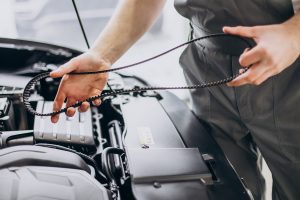
A wet belt, sometimes called a wet cambelt or belt-in-oil timing belt, performs the same important job as a conventional cambelt. It synchronises the movement of the engine’s crankshaft and camshaft, ensuring the pistons and valves operate in perfect time.
The difference is where it operates.
A traditional cambelt usually sits outside the engine’s internal lubrication system, whereas a wet belt runs inside the engine, immersed in engine oil.
Manufacturers introduced this design to help reduce friction, improve efficiency and reduce engine noise. However, because the belt is constantly exposed to hot engine oil, its condition is particularly dependent on using the correct oil specification and following the right maintenance schedule.
Over time, the belt material can deteriorate, potentially causing serious problems if it isn’t replaced when required.
Why do wet belts cause problems?
The biggest concern with wet belts is that they can deteriorate over time, particularly if the wrong engine oil has been used or servicing intervals haven’t been followed.
As the belt begins to break down, small pieces of rubber and belt material can become suspended in the engine oil.
These particles can accumulate around the oil pump pick-up strainer and restrict the flow of oil around the engine.
This is where things can become particularly serious.
Restricted oil circulation can lead to insufficient lubrication, oil pressure problems and, in severe cases, significant engine damage.
A belt that eventually snaps can also cause major internal engine damage, potentially resulting in a very expensive repair or even the need for a replacement engine.
The important thing to remember is that wet belt deterioration isn’t always obvious to the driver. Waiting for a warning light or an unusual noise isn’t a sensible maintenance strategy.
Prevention is considerably better than cure.
Which vehicles have wet belts?
Wet belt technology has been used by several manufacturers, particularly in smaller, more fuel-efficient petrol and diesel engines.
Some of the more familiar examples include:
- Ford: Certain 1.0 EcoBoost petrol and 1.5 EcoBlue diesel engines.
- Peugeot: Certain 1.0 and 1.2 PureTech petrol engines.
- Citroën: Selected PureTech petrol engine applications.
- Vauxhall: Certain engines shared with the Stellantis group.
- DS Automobiles: Selected PureTech engine applications.
There are also other manufacturers and engine variations that use belt-in-oil technology.
It’s important to understand that not every vehicle from these manufacturers has a wet belt. It depends on the particular engine, model and year of manufacture.
If you’re unsure whether your vehicle has one, speak to our team and we’ll help establish the correct information for your car.
When should a wet belt be replaced?
This is one of the most important questions, and unfortunately there isn’t one answer that applies to every vehicle.
Replacement intervals vary considerably depending on the manufacturer, engine type, model year and any updated technical guidance.
Some engines have had their original replacement recommendations revised, so relying on general advice or what applied to an older version of the same engine isn’t always enough.
At CARS, we’ll establish the correct requirements for your particular vehicle and advise you accordingly.
We would always recommend being proactive rather than waiting until the belt shows signs of deterioration.
If you’re buying a used car with a wet belt, it’s also worth checking its replacement history. A full service history doesn’t automatically mean the wet belt has been replaced.
What are the warning signs of a failing wet belt?

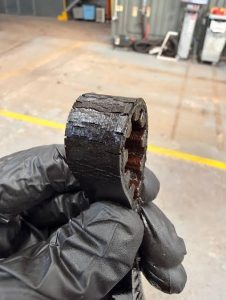
Wet belts don’t always give obvious warning signs, which is why following the correct replacement schedule is so important.
However, there are some things worth looking out for:
- Oil pressure warning light: Potentially a sign of restricted oil circulation.
- Unusual engine noises: Squealing, rattling or other noises that weren’t previously present.
- Engine management warning light: Potentially associated with engine timing or lubrication issues.
- Poor engine performance: Misfires, loss of power or irregular running.
- Visible belt deterioration: Cracking, swelling or material wear where the belt can be properly inspected.
If you notice an oil pressure warning, stop the engine as soon as it is safe to do so and seek professional advice. Continuing to drive could cause further damage.
It’s also worth remembering that a wet belt can be deteriorating internally without any noticeable symptoms.
Why choose CARS for your wet belt replacement in Worcester?
Wet belt replacement isn’t a job to leave to just anyone.
It requires specialist knowledge, the correct tools and an understanding of the different procedures and components required by each engine manufacturer.
At CARS Service Centre, we have developed our wet belt replacement expertise across multiple vehicle manufacturers, allowing us to look after a wide range of cars rather than concentrating on just one make.
We understand that every engine is different, which is why we follow the relevant manufacturer procedures and specifications for the vehicle we’re working on.
Here’s why Worcester motorists choose CARS:
Multi-manufacturer expertise
From Ford EcoBoost to Peugeot and Citroën PureTech engines, our team has the experience to work across a variety of wet belt applications.
Genuine manufacturer parts
We use genuine manufacturer parts for the replacement process, ensuring the correct components are fitted for your particular vehicle and application.
The right tools and procedures
Wet belt replacement involves much more than simply fitting a new belt. We follow the appropriate manufacturer procedures, using the correct specialist tooling and checking associated components as part of the job.
Fantastic prices
Specialist work doesn’t have to mean dealership prices. As an independent Worcester garage, we aim to offer fantastic value for money without compromising on the quality of parts or workmanship.
We’ll provide a clear quotation based on your vehicle and what’s required before any work is undertaken.
One trusted garage for all your motoring needs
As an established, family-run business, CARS has been keeping Worcester motorists moving since 2002.
From MOTs and servicing to diagnostics, repairs, tyres and specialist engine work, you can bring your vehicle to one trusted local team.
Don’t forget the importance of engine oil
One of the biggest factors in wet belt longevity is engine oil.
Because the belt operates within the engine’s lubrication system, using the correct manufacturer-approved oil specification is essential.
The wrong oil can accelerate deterioration, while missed or extended oil changes can increase the risk of problems.
That’s why we always recommend following the correct servicing schedule and using the specified oil for your particular engine.
If your vehicle has a wet belt, keeping on top of routine servicing is particularly important.
Book your wet belt replacement with CARS Service Centre

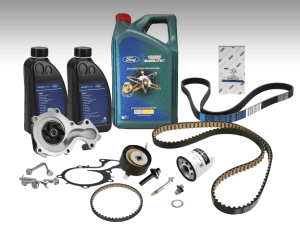
If your car is approaching its recommended wet belt replacement interval, you’ve recently purchased a vehicle with a wet belt, or you’re simply unsure whether it needs attention, our team is here to help.
Don’t leave it until a small maintenance job potentially turns into a major engine repair.
At CARS Service Centre, Worcester, we combine multi-manufacturer expertise, genuine manufacturer parts and fantastic prices to provide a professional wet belt replacement service you can trust.
Get in touch today for advice or a no-obligation wet belt replacement quotation.
📍 CARS Service Centre, Unit 12, Three Springs Trading Estate, Vincent Road, Worcester, WR5 1BW.
📞 Call our friendly team on 01905 360545 or book online today.
🌐 Visit www.worcestermots.co.uk
CARS Service Centre – Keeping Worcester Moving Since 2002.









© CARS - 2026

